

As an ophthalmologist in Dubai, I’m often asked whether lifestyle changes or rituals can truly prevent glaucoma.In Dubai, where screen time, long working hours and chronic conditions like diabetes are common, everyday habits play a big role in eye health.
Glaucoma cannot be completely prevented by lifestyle or rituals, but healthy habits can lower overall risk, support optic nerve health, and help slow damage in people already diagnosed.
What we know – and what we don’t
Glaucoma is often linked to raised eye pressure, but genetics, age, vascular health, and ethnicity also play strong roles. At present, the only proven treatment is to lower eye pressure with prescribed drops, laser, or surgery; lifestyle changes cannot replace these. However, a growing body of evidence suggests that certain habits can support better eye pressure control, blood flow, and nerve protection.
Nourish your eyes from within
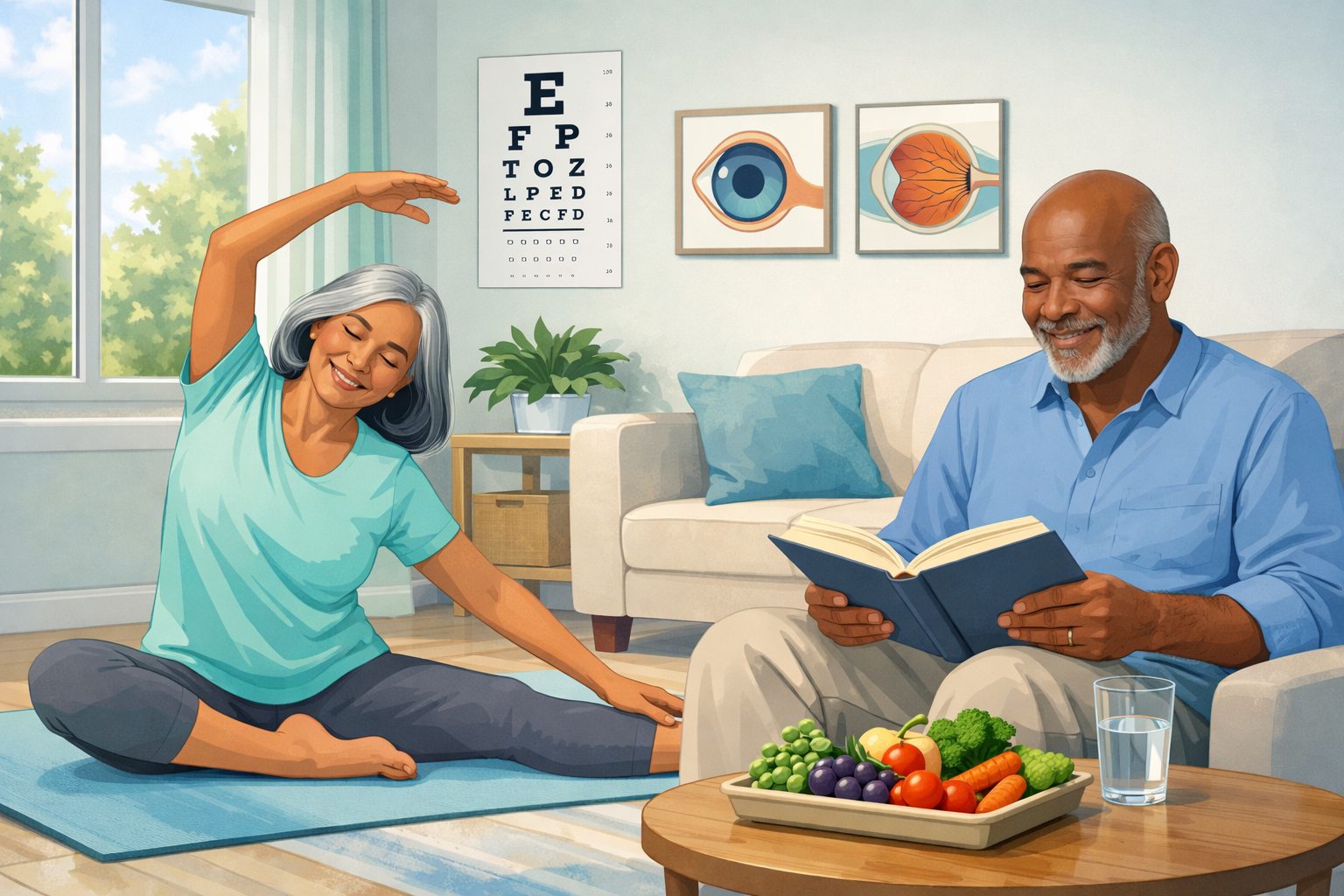
A diet rich in colourful fruits and vegetables provides antioxidants that may protect retinal ganglion cells from oxidative stress. Green leafy vegetables, carrots, cruciferous vegetables, berries, citrus fruits, and foods high in omega‑3 (like fatty fish and flaxseed) have been associated with a lower risk of glaucoma or slower progression. Limiting highly processed foods, excess sugar, and unhealthy fats also supports blood pressure and diabetes control, both of which influence glaucoma risk and progression.
Move – but move wisely
Regular moderate aerobic exercise such as brisk walking, light jogging, or cycling can reduce intraocular pressure and is linked to slower visual‑field loss. Studies show that more daily steps and non‑sedentary time are associated with less glaucoma damage over time. Intense weight‑lifting, straining, or prolonged head‑down positions (certain yoga inversions) can temporarily raise eye pressure and are best avoided in people at high risk or with advanced disease.
Mindfulness, sleep, and daily rituals
Stress hormones and poor sleep can negatively affect eye pressure and blood flow to the optic nerve. Mindfulness and meditation have been shown in clinical studies to modestly lower eye pressure and improve quality of life when added to standard glaucoma treatment. Simple daily rituals such as 10–20 minutes of meditation, deep breathing, or prayer, combined with regular sleep hours and side‑sleeping positions advised by your doctor, can be a gentle yet meaningful addition to your glaucoma care.
Habits to avoid – and the most important step
Smoking, excessive alcohol, and possibly heavy caffeine intake can negatively influence vascular health and eye pressure and are best minimized or stopped. Using marijuana specifically to “treat” glaucoma is not recommended; any pressure‑lowering effect is short‑lived and comes with systemic risks. Above all, the single most powerful “ritual” is regular, dilated eye examination: detecting glaucoma early, following your drops exactly as prescribed, and keeping scheduled follow‑ups with your eye specialist