

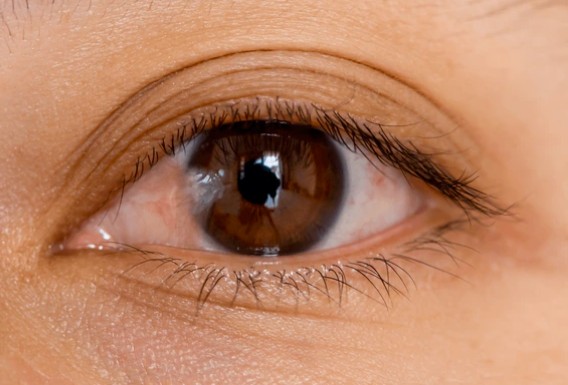
If you’ve noticed a fleshy, wing-shaped growth on the white part of your eye slowly creeping toward the black center, you may be dealing with pterygium (pronounced te-RIJ-ee-um). It’s common, it’s treatable, and no—it’s not something to ignore. Let’s break it down in simple terms.
What Is Pterygium?
Pterygium is a non-cancerous growth of tissue that starts on the conjunctiva (the clear layer covering the white of the eye) and may extend onto the cornea. It usually begins on the side closer to the nose and can affect one or both eyes.
It’s often called “surfer’s eye”—not because you need to surf, but because it loves sunshine .
What Causes Pterygium?
The biggest culprit? Long-term exposure to UV rays. Other contributing factors include:
- ☀️ Excessive sunlight exposure
- 🌬️ Dust, wind, and sand (hello, desert climate!)
- 🏜️ Hot, dry environments
- 👁️ Chronic eye irritation or dryness
- 🕶️ Not wearing protective sunglasses outdoors
This is why pterygium is more common in sunny regions and among people who spend a lot of time outdoors.
Common Symptoms of Pterygium
In early stages, pterygium may not cause noticeable symptoms. But as it grows, patients may experience:
- Redness and irritation
- Foreign body sensation (feels like something is stuck in the eye)
- Dryness or burning
- Blurred or distorted vision
- Visible fleshy growth on the eye
- Cosmetic concern (yes, that matters too!)
If the growth reaches the cornea, it can change the shape of the eye, leading to astigmatism and reduced vision.
How Is Pterygium Treated?
Treatment depends on the size, symptoms, and impact on vision.
1. Medical (Non-Surgical) Treatment
For mild cases, treatment focuses on comfort:
- Lubricating eye drops for dryness
- Anti-inflammatory drops to reduce redness
- UV-protective sunglasses to prevent progression
These options control symptoms but do not remove the growth.
2. Surgical Treatment
Surgery is recommended if pterygium:
- Affects vision
- Grows toward the center of the cornea
- Causes significant discomfort
- Recurs repeatedly
- Creates cosmetic concern
Modern pterygium surgery is safe and effective. Techniques like conjunctival autografting significantly reduce recurrence and promote faster healing. The procedure is usually done as a day care surgery under local anesthesia.
Can Pterygium Come Back?
Yes—but with advanced surgical techniques and proper post-operative care, recurrence rates are much lower today. Wearing UV-protective sunglasses after surgery is a non-negotiable .
When Should You See an Eye Specialist?
If you notice persistent redness, irritation, or a growing tissue on your eye, don’t wait. Early evaluation by an ophthalmologist helps prevent vision problems and avoids more complex surgery later.
Final Takeaway
Pterygium may look harmless, but it can impact vision and eye comfort over time. The good news? Early diagnosis, modern treatment options, and simple preventive steps can keep your eyes clear, comfortable, and seeing sharp.