

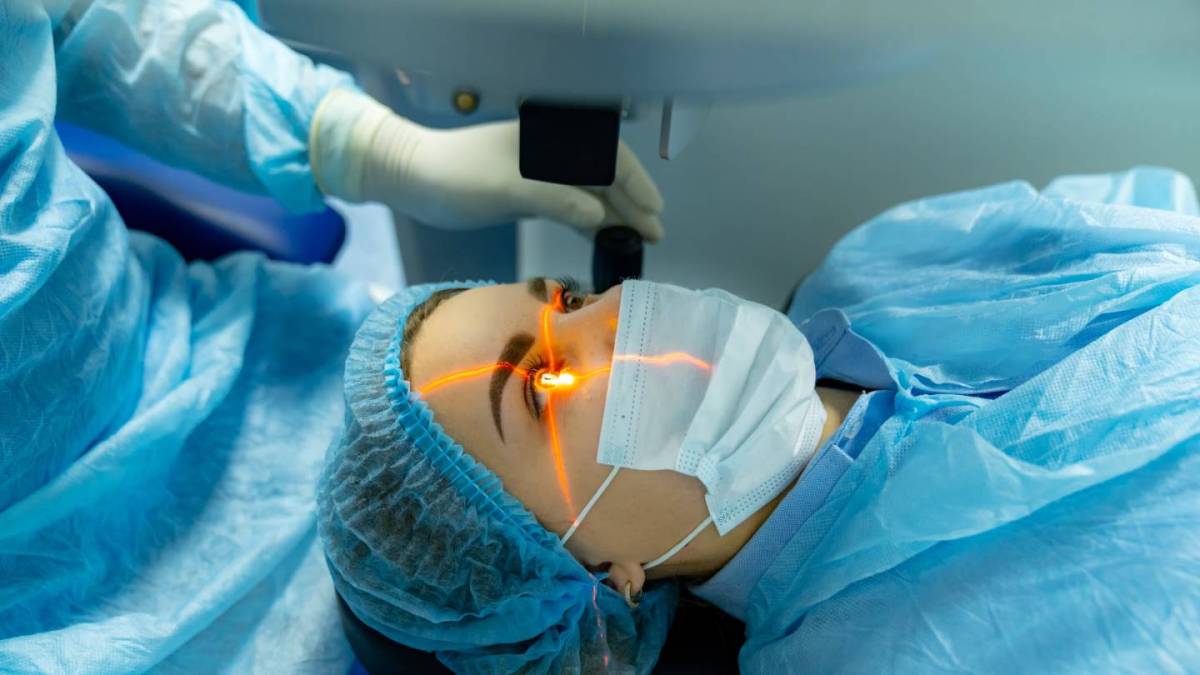
If you’re in your 40s and wondering whether refractive surgery can help you live life without glasses, you’re not alone. Many people search for options like LASIK after 40, SMILE, or PRK when their vision starts feeling more inconvenient than ever. But eyes in your 40s behave very differently from eyes in your 20s, thanks to natural age-related changes. Here’s a clear, honest, and easy-to-understand guide to the pros and cons of refractive surgery after 40 so you can make the best decision for your vision.
Why Consider Refractive Surgery After 40? — The Pros
1. Freedom from Distance Glasses
One of the biggest advantages of refractive surgery after 40 is the ability to enjoy clear distance vision without relying on glasses. Whether you’re driving, traveling, or simply living an active lifestyle, being glasses-free can feel incredibly liberating.
2. Fast and Safe Procedures
Modern technology has made LASIK, SMILE, and PRK safer and more predictable than ever. Most patients notice improved vision within 24 hours and return to normal activities quickly. For many, the convenience alone is a game changer.
3. Perfect for Active or Outdoor Lifestyles
If your daily routine includes fitness, sports, or frequent beach time, refractive surgery offers the comfort of no slipping frames, no fogging glasses, and no lens scratches. It’s about seeing clearly and living freely.
4. Long-Term Stability
With today’s advanced screening, surgeons can predict outcomes more accurately. Once your power is stable, results typically remain steady over the years.
What to Keep in Mind After 40 — The Cons
1. Presbyopia Will Still Happen
Here’s the honest truth: after 40, the eye’s natural lens becomes less flexible. This condition, called presbyopia, affects everyone. Even if refractive surgery gives you excellent distance vision, you will likely still need reading glasses for near work. Surgery doesn’t stop this natural age change.
2. Monovision Isn’t for Everyone
To reduce dependence on reading glasses, some patients choose monovision, where one eye is corrected for distance and the other for near. While it works brilliantly for some, others find it affects depth perception or just doesn’t feel “natural.”
3. Increased Dryness After Surgery
Dry eyes become more common with age, and refractive surgery may temporarily increase dryness. With proper evaluation and treatment, this is manageable, but it’s important to know beforehand.
4. Future Cataract Surgery May Replace the Need
Between 50 and 65, many people develop cataracts. During cataract surgery, the natural lens is replaced with an artificial one that can correct distance, near, or both. Some patients prefer waiting since cataract surgery can address multiple vision issues at once.
Who Is a Good Candidate for Refractive Surgery After 40?
You may be a suitable candidate if:
- You primarily want clear distance vision.
- You’re comfortable using reading glasses.
- Your eye power has been stable for at least a year.
- Your cornea and eye surface are healthy.
Final Thoughts
Refractive surgery after 40 can offer excellent distance vision and freedom from everyday glasses, as long as expectations are realistic. Understanding presbyopia, dryness, and future cataract changes helps you make an informed, confident decision.
If you’re considering LASIK or other refractive procedures after 40, a detailed eye examination is the best next step to determine what’s ideal for your unique eyes.